Workshop
The building room, where you set your world's characters, rules, and boundaries - then grow scaffolds into complete tellings written by the Engine, your readers, or you.

Collaborative storytelling and worldbuilding.
You author the world: its people and places, its rules, its voice.
Worldspring gives it life.
How the press works
The building room, where you set your world's characters, rules, and boundaries - then grow scaffolds into complete tellings written by the Engine, your readers, or you.
The playing room, where readers enter as characters bound by your world's rules and help tell a story whose ending no one - not even you - can predict. it ends.
The reading room, where everything a world publishes - Engine tellings, Theater chronicles, the author's own works - sits shelved together under one imprint.
For worldbuilders
Your world exists - in your head or in a million scattered pieces.
But most of it will never become a finished story - because you only have so many hours.
Worldspring fixes that: build the world once in Workshop, then let it be told many ways - Engine-prepared stories in your voice, dynamic Theater sessions, and works you write yourself, all published to a library that belongs to the world.
Your canon
Stories and sessions derive from your world but never write back to it - only you can canonize anything.
Your rules
Naming, world logic, storytelling guardrails: set once, enforced everywhere, whether the press tells the story or your readers play it.
Your imprint
The Library is your world's public face - every pathway in, every published work, gathered under the world's name.
Most of a world never escapes a notebook margin - an unnamed face, an undescribed place, a thread you keep meaning to follow; Workshop is a canvas that holds all of it at once, every place, person, object, and idea set down the moment you think of it and linked to everything it touches.
Alongside the lore it holds the way you tell it - naming conventions, story shapes, guardrails, the fingerprint of your prose - and from that it can scaffold a story, tell one whole, or stand back while you write your own.
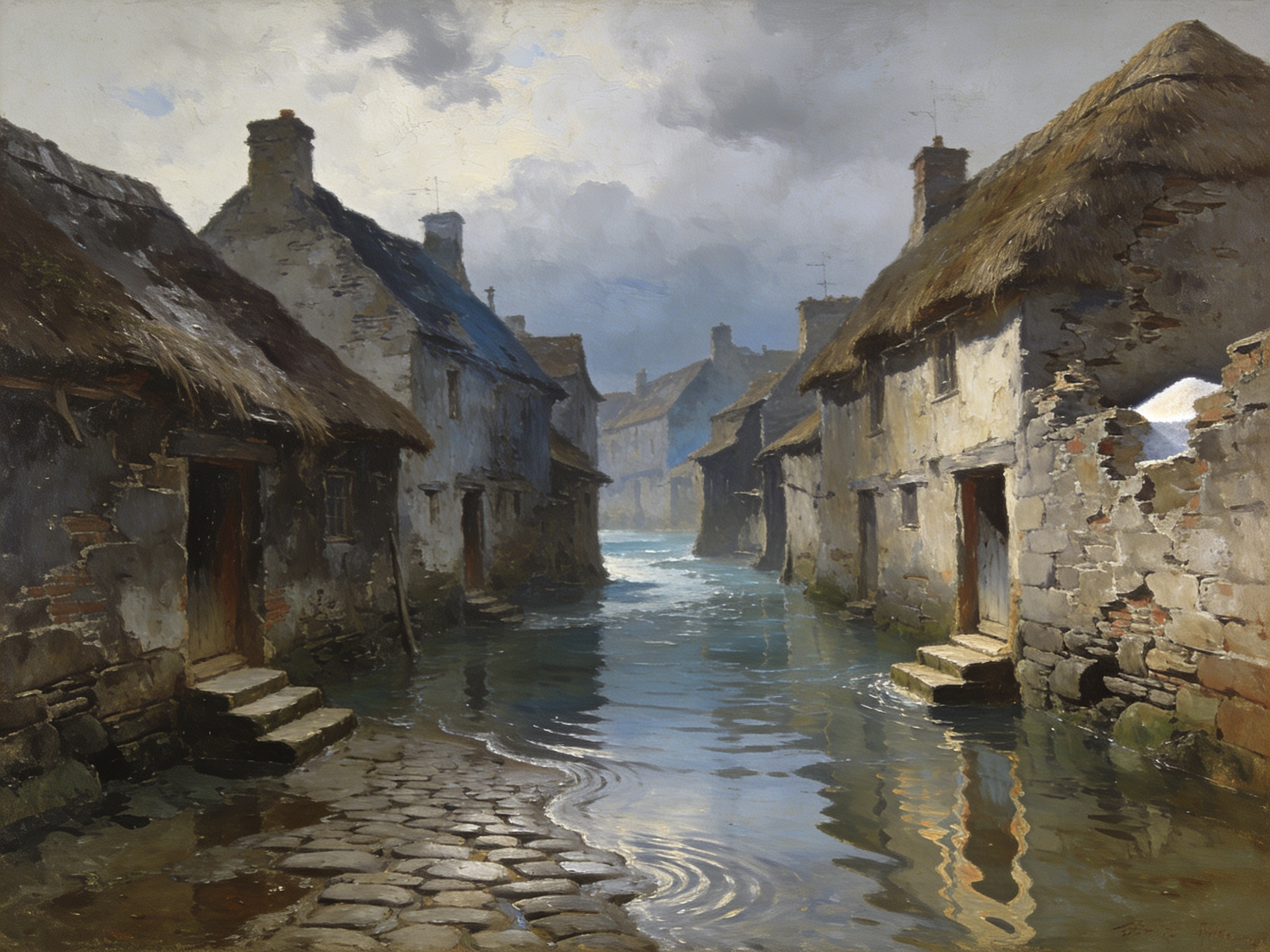
A tidal warren of salthouses and debt-courts, half-drowned twice a day.

Ledger-keeper who never forgets a figure, or a face that owes one.
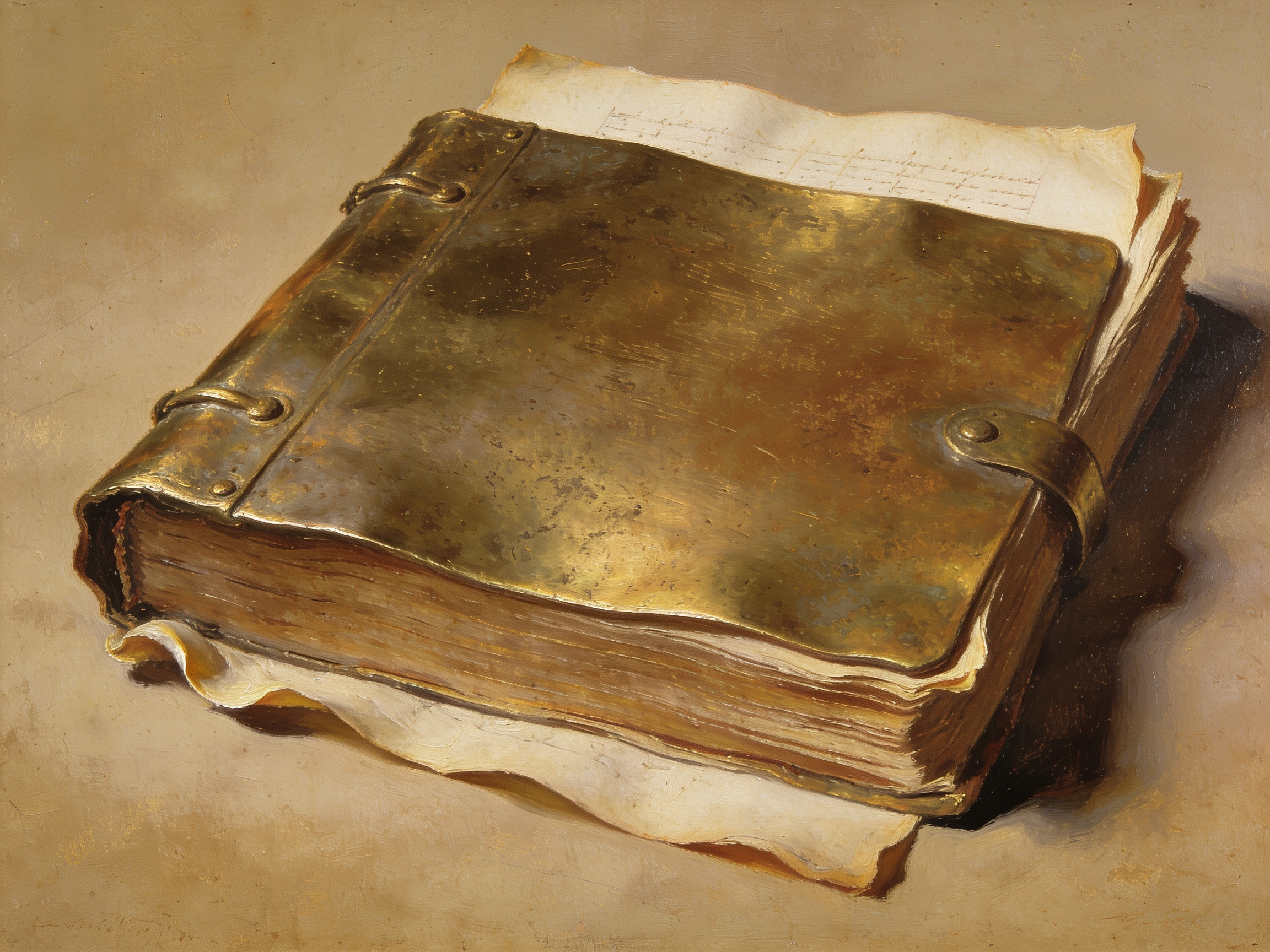
Every debt the Quarter owes, bound in beaten brass.
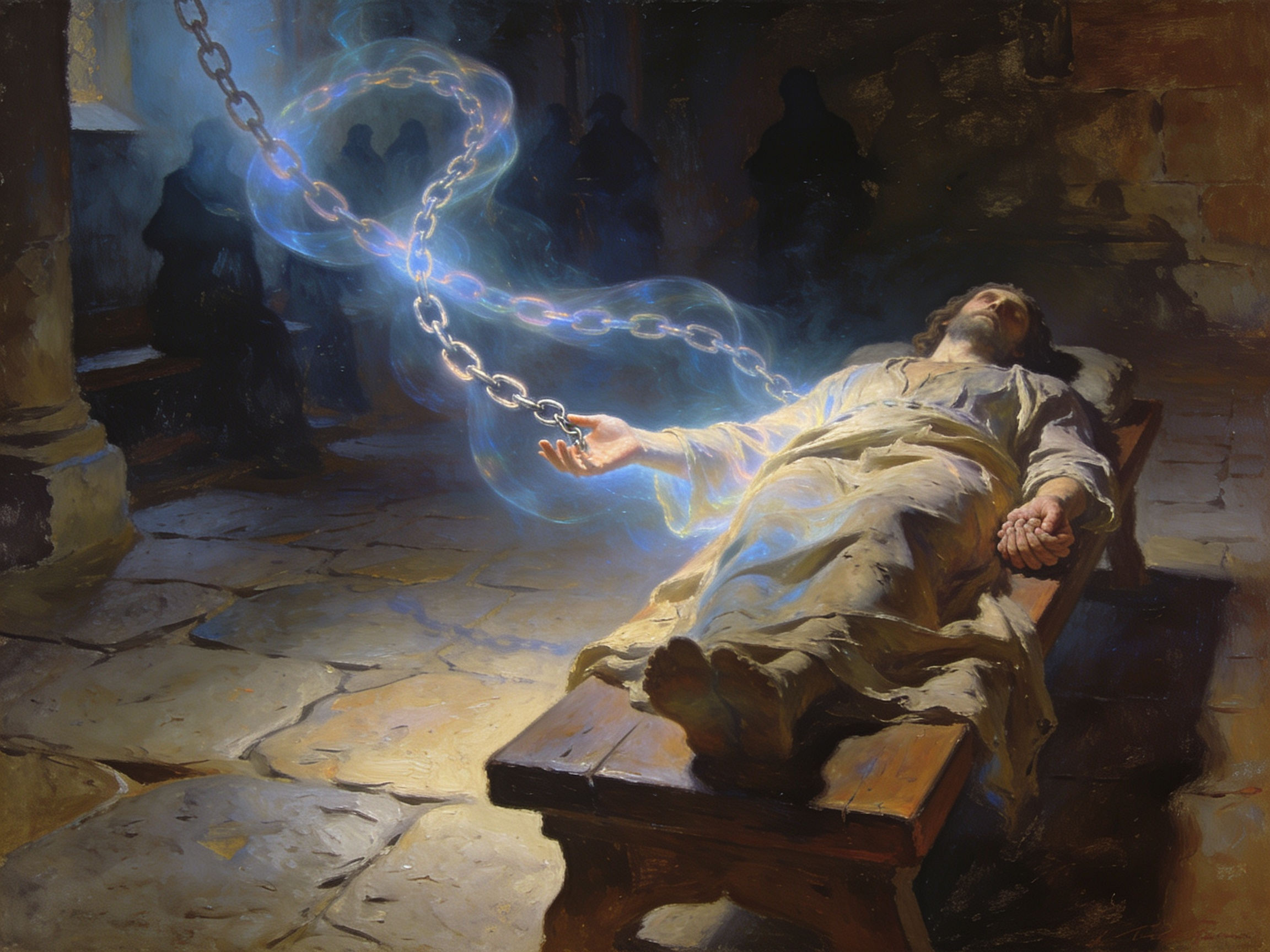
What is owed does not die when the one who owed it does.
Theater lets readers step inside a world and help tell its story. Alone or with friends, they craft characters bound to the world's rules and enter sessions the worldbuilder has designed - dynamic, flexible, and different every time they're played.
Players act and speak as their characters; the press interprets, weaving each choice into the story by the world's own logic and in the world's own voice. The result is part performance, part game, part collaborative authorship - and no one at the table knows the ending until it arrives.
When the session ends, the story remains: a finished, crafted telling of what happened, fit for the world's library shelf. Everyone who shaped it is credited in the chronicle it becomes
The Library holds a world's published record: tellings prepared by the press, chronicles of Theater sessions, and the works its author sets down directly. A reader can browse the shelf, explore the world bible, or jump into a Theater session to help tell a story.
If you're here to read: start in the Library. Every world on Worldspring keeps its shelf open to visitors.
Every telling and every Theater session is compiled by a storytelling Engine working from a world built by human author and the contributions of its human participants. .
We say so plainly. AI-assisted storytelling is not a disclaimer - it's part of the craft.
Worldspring is currently open to established worldbuilders interested in the next generation of storytelling.
If you're one of them request an invitation!